







Search Results for: Coffee Turning Sour

Why does pour-over coffee become sour and astringent after cooling? Analyzing three reasons for flavor changes and the ideal drinking temperature
A freshly brewed pour-over coffee is full of aroma and smooth on the palate, but after sitting for half an hour it turns sour, astringent, and muddled—what's going on? In fact, coffee naturally presents different flavors at different temperatures, and during tasting it is often divided into three stages: hot, medium, and cool. A good cup of coffee can usually withstand all three temperature stages, but once it has fully cooled, the flavor goes beyond the normal tasting range. From Front Street's perspective, this article breaks down the root causes of coffee turning sour and developing astringent, muddled notes after cooling—including differences in how human senses perceive sourness, sweetness, and bitterness, the impact of aroma volatilization, and the three key mechanisms of oil oxidation, pigment oxidative polymerization, and condensation—and tells you the most suitable temperature for drinking coffee, helping you better capture the best flavor of every cup. [more…]
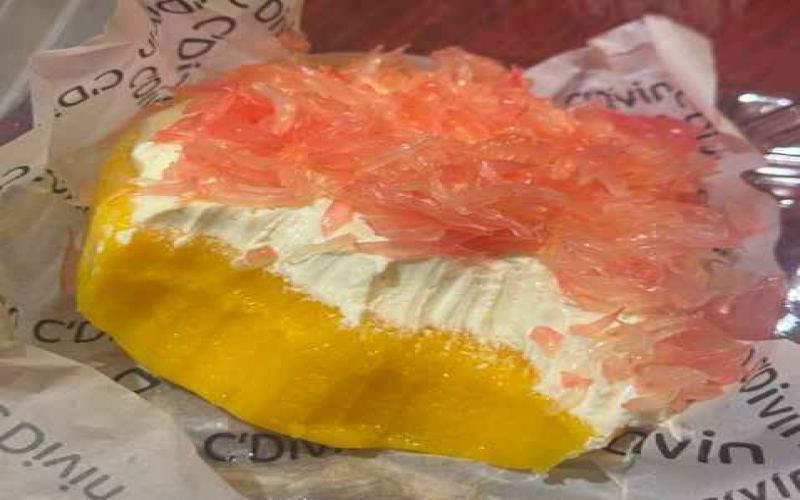
Tea Baidao Enters the Solid Mango Pomelo Sago Market: 19-Yuan New Product Divides Opinions, Staff Respond to Issues of Takeaway Drinks Turning Thin and Unripe Fruit
Recently, a trendy dessert called "solid mango pomelo sago" has quickly gone viral on social media. Its form falls somewhere between a drink and a traditional dessert, prompting many netizens to share photos of it. The chain tea brand ChaPanda seized the opportunity to launch its own version, officially priced at 19 yuan, and after discounts it can cost as little as a single-digit price, which many consumers consider quite cost-effective. However, after the new product hit the market, reviews were polarized: some praised it for its generous ingredients and sweet-and-sour taste resembling a dessert, while others complained that the actual product differed noticeably from the promotional images, jokingly calling it "fruit topping porridge" or "mango pomelo sago-flavored sugar water." In response to the feedback, ChaPanda staff explained that bumpiness during delivery caused the yogurt and coconut milk to mix and thin the texture, while some stores' mangoes were not fully ripe due to issues with the ingredient batch and insufficient ripening time. [more…]
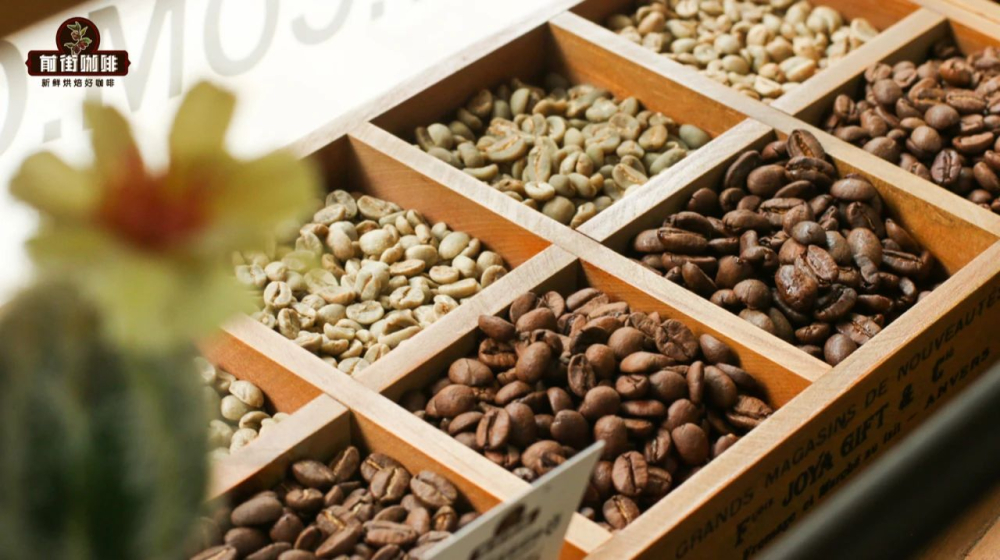
Home Coffee Roasting | How Can Coffee Beginners Learn to Roast Coffee Beans? A Comparison Table of Eight Different Roast Levels and Their Flavor and Taste Differences
I believe many of you not only enjoy drinking coffee but have also developed an interest in coffee roasting. While surfing the internet, Front Street Coffee often sees people sharing their home coffee roasting process on social media. However, we also notice that some [more…]

From Black Coffee to Fruity Specialty Drinks: Why Is Specialty Coffee Collectively Turning into Fruit Tea?
The threshold for appreciating specialty coffee has always been high—from palate training to the investment of time and money, none can be skipped. Yet in recent years, the rise of specialty beverages, especially fruit coffee, is quietly changing this landscape. Adding fruit, sugar, alcohol, and Chinese ingredients—the boundaries of coffee have been broken time and again. Is this the degradation of specialty coffee, or an inevitable path to the mass market? This article analyzes the deep logic behind the combination of coffee and fruit from the perspectives of consumer data, industry trends, and barista competitions, and explores what professional foundation a good creative coffee should possess. Whether you are a purist who sticks to tradition or a creative beverage enthusiast who embraces innovation, this discussion about the boundaries of coffee is worth reading. [more…]
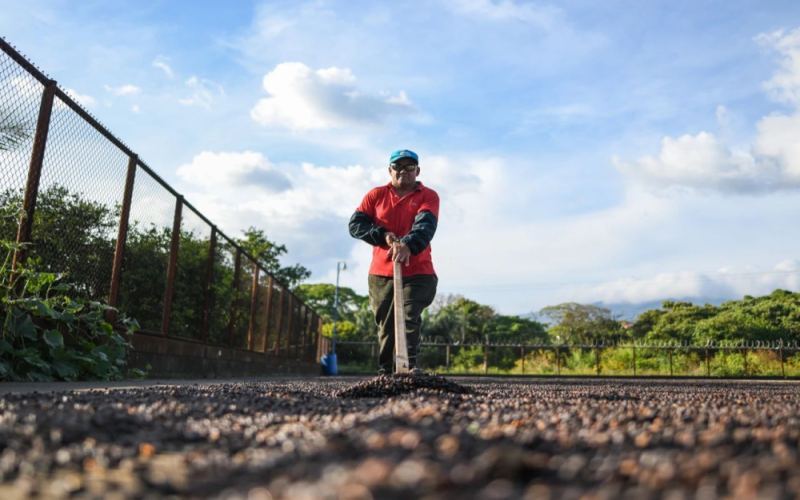
A Detailed Guide to Costa Rican Honey-Processed Coffee Bean Grades: Processing Differences and Flavor Comparison of Black Honey, Red Honey, Yellow Honey, and White Honey
Honey processing is a signature processing method for Costa Rican coffee, but many people do not know that, depending on the degree of mucilage retention, honey processing is actually divided into several grades, including black honey, red honey, yellow honey, and white honey. Each grade has its own requirements for the amount of mucilage removed, drying time, and turning frequency, and the resulting flavors are completely different. This article takes Front Street Costa Rica Diamond Series Black Honey as an example to break down in detail the processing characteristics and flavor trends of each honey grade, while also introducing the raisin honey process that has become popular in recent years, and includes Front Street Coffee's roasting curve, cupping report, and brewing parameters to give you a comprehensive understanding of the appeal of Costa Rican honey processing. [more…]

Can You Add Milk to Pour-Over Coffee? Flavor Evolution from Café au Lait to Japanese Methods, with Practical Tips
Whether pour-over coffee can be combined with milk is a topic debated by many coffee enthusiasts. In fact, this way of drinking coffee was already popular in 17th-century France under the name "Café Au Lait," translated in China as "Oulei coffee." Its coffee base is similar to pour-over, mixed with milk at a 1:1 ratio, and it later spread to Japan, where a high-extraction version evolved. The key to whether adding milk tastes good lies in the roast level: medium-dark roasted beans carry nutty and caramel notes, which when combined with milk form a balanced, buttery, chocolate-like flavor; while medium-light roasted coffee with acidic notes is easily masked by milk, turning into diluted sour milk. This article will trace this history and, using Front Street PWN Golden Mandheling as an example, provide a complete demonstration of making a cup of Café Au Lait along with tasting notes. [more…]
The Complete Guide to Costa Rican Honey Process Coffee: Black Honey Flavor Profile, Pour-Over Parameters, and Front Street Diamond Series Brewing Log
Honey processing is the most iconic coffee processing method in Costa Rica, but you may not know that, depending on the degree of mucilage retention, honey processing is further divided into multiple grades such as black honey, red honey, yellow honey, and white honey. This article starts with a Costa Rican Diamond Series black honey from Front Street Coffee, and sorts out the origins and evolution of honey processing, the process differences between the various grades, and the innovative raisin honey processing method that has become popular in recent years. The article also includes the roast curve, cupping report, and V60 pour-over parameters for this Front Street Coffee black honey coffee, including water temperature, coffee-to-water ratio, grind size, and staged pouring technique, making it easy for coffee enthusiasts to replicate at home. If you want to understand why honey-processed coffee has such pronounced sweetness and a rich, full-bodied mouthfeel, this content is worth reading carefully. [more…]

Espresso Extraction in Three Steps: A Full Breakdown of Pre-Infusion, Flavor Release, and When to Stop the Shot
A decent espresso is not as simple as pressing the brew button and leaving it to fate. From the moment the portafilter is locked in, the coffee grounds go through three key stages: pre-infusion, flavor extraction, and the end of extraction. How does pre-infusion affect carbon dioxide release and channeling? During the main extraction stage, why do sour, sweet, and bitter compounds appear in sequence? To judge the end of extraction, should you look at time, liquid volume, or crema color? This article uses Front Street Coffee's blend beans as an example to systematically break down the espresso extraction process and the logic of flavor assessment, helping you adjust parameters and avoid risks during operation, and understand the details behind "one-touch extraction" that still require human setting. [more…]

Why does coffee taste more acidic after it cools? Causes of pour-over flavor changes and solutions for coffee that's too sour
Many coffee enthusiasts notice that certain coffees seem to become more sour after they cool down. But this is not a universal trait of all coffee—most coffees simply lose some aroma as they cool, without their flavor framework shifting dramatically, and some even reveal greater sweetness as the temperature drops. So why does the sourness of certain coffees rise noticeably after the temperature falls? Behind this lies both the way human perception changes with temperature and the flavor composition of the coffee itself. From the perspective of Front Street, this article sorts out how temperature affects the perception of sourness, sweetness, and bitterness, explains the principle behind the intensified sourness of light-roasted coffee after cooling, and offers directions for adjustment when coffee is too sour. [more…]
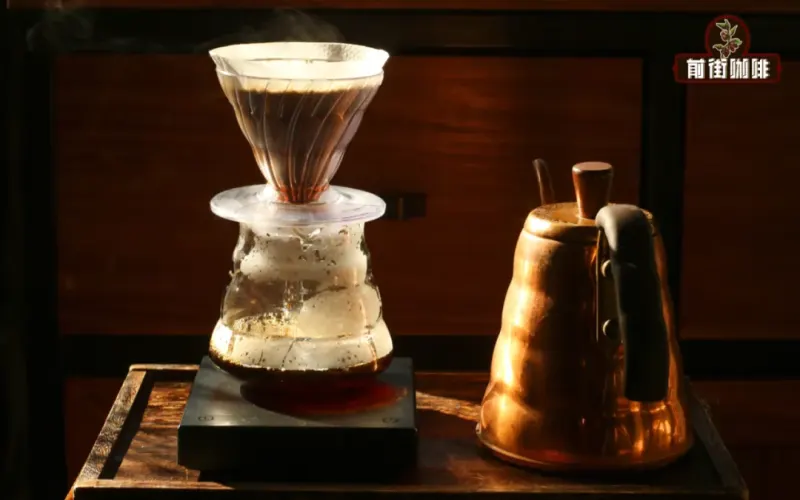
An Analysis of the Causes of Overly Sharp Acidity in Pour-Over Coffee: A Comprehensive Discussion from Under-Extraction to Flavor Imbalance
Many coffee enthusiasts who brew pour-over at home often run into the problem of coffee turning out sharply sour and hard to drink. Compared with dark-roasted beans, light-roasted coffee has a smaller margin for error during brewing, and the odds of a bad brew are noticeably higher. Front Street Coffee's stores frequently receive this kind of inquiry, and "the coffee is too sour" is the most common issue that comes up. Coffee itself naturally has acidity, but what troubles people is usually acidity that is overly sharp and unpleasant. Drawing on Front Street's practical experience, this article systematically sorts out why pour-over coffee can turn out sharply sour, helping everyone understand the causes behind it so they can find adjustment solutions that suit them. [more…]
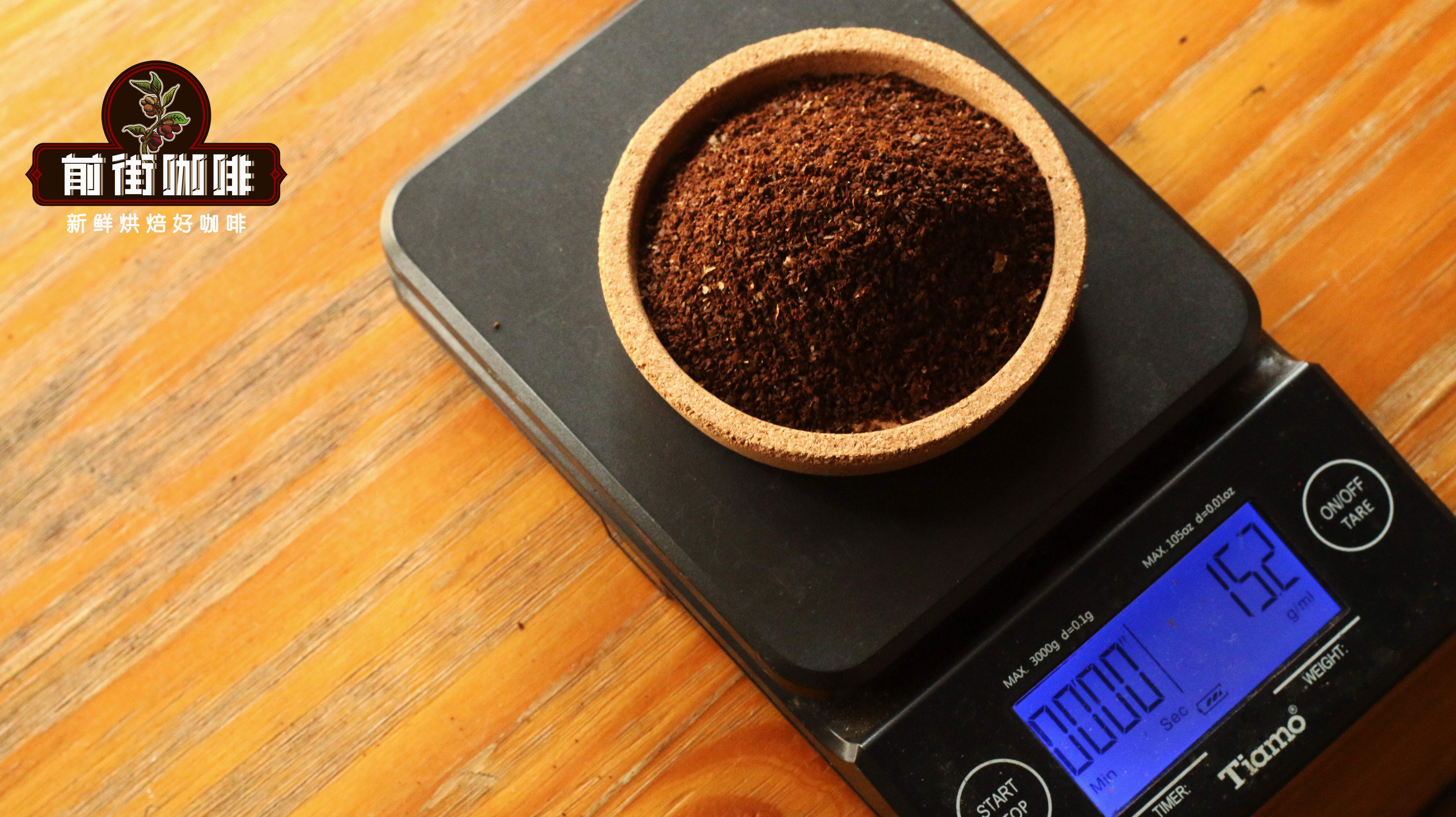
A Guide to Adjusting the Grind Size on a Manual Coffee Grinder and a Detailed Explanation of Pour-Over Coffee Brewing Parameters
Want to make a delicious pour-over at home? Controlling the grind size is often the first hurdle. Compared to expensive electric grinders, manual hand grinders have become the top choice for many enthusiasts just starting out, but how to correctly adjust their grind size parameters is something many people aren't clear about. In this article, Front Street Coffee starts with the disassembly steps of a manual hand grinder, explains one by one the relationship between the rotation direction of the adjustment screw and the grinding effect, and provides the grinding standards corresponding to different brewing methods. At the same time, combining variables such as the coffee-to-water ratio, water temperature, and extraction time, we use Panama Diamond Mountain coffee beans for a complete brewing demonstration to help readers build a replicable brewing approach. [more…]

Key Points for Making Espresso | Why Do Coffee Shops Pour Out the First Espresso After Opening? Should You Pour Out the First Shot of Espresso When Making It at Home?
Have you ever seen this scene: a barista turns on the machine in the morning, and the first espresso pulled is not drunk, but "ruthlessly" poured down the drain, then they continue to pull the next shot. Guests who see this will ask why. If you're making coffee at home, do you need to do this too? Why is the first cup [more…]

Why Does Americano Have a Sour Taste? Exploring the Causes and Flavor Pros and Cons of Sour Americano
American coffee is, in many people's minds, synonymous with a bitter, burnt pick-me-up. Yet in recent years, more and more Americanos have taken on a bright acidity, delighting some drinkers while confusing others. This acidity is not a sign of spoilage, but rather the result of a shift in flavor trends and evolving roasting philosophies within the coffee industry. From the perspective of Front Street, this article explores the deeper reasons behind American coffee turning sour, sorts out the differences between Italian roasting and ultra-light Nordic roasting, and discusses how SOE Americano pushes fruity acidity to the extreme. Whether you prefer a rich, bittersweet cup or favor floral and fruity sweet-tart notes, you'll find the cup that suits you. [more…]

Why Does Pour-Over Coffee Taste Sour After It Cools? A Comprehensive Analysis from Aroma Loss to Taste Perception
Many coffee enthusiasts encounter a phenomenon when tasting pour-over coffee: as the temperature drops, the flavor of the coffee seems to change, sometimes even developing an unpleasant sourness. This is not a problem with brewing technique, but rather a series of physical and chemical changes that coffee undergoes as it goes from hot to cold. Front Street Coffee will take you on an in-depth look at the processes of aroma loss, oil oxidation, pigment polymerization, and condensation after coffee cools, while also explaining from the perspective of sensory science why the perception of sourness, sweetness, and bitterness on the taste buds changes with temperature. Through this article, you will understand the real reasons why coffee becomes sour or bitter after it cools, allowing you to view the relationship between coffee temperature and flavor more rationally and improve your tasting experience. [more…]

Tea Baidao's ice-cool mint iced milk, a Frozen collaboration, uses fresh mint leaves juiced — yet consumers say it feels like chewing on grass.
After Tea Baidao's lychee iced milk was discontinued with the changing seasons, the brand quickly launched two new iced milk drinks, among which the iced mint iced milk co-branded with Frozen drew a lot of attention thanks to its mint element and co-branded merchandise. However, this drink, made with fresh mint leaves, green grapes, lemon, matcha liquid, and milk, did not deliver the expected cooling sensation upon tasting; instead, the grassy flavor of freshly squeezed mint juice sparked polarized reviews. Some described drinking it as turning into a cow chewing on grass, while others found the plant's fresh fragrance uniquely appealing. Whether this cross-boundary mashup is a stroke of creativity or a flop is worth investigating. [more…]

Costa Rica Musician Series Coffee Beans: A Detailed Explanation of the Differences Between Honey Processing and Raisin Honey Processing
Costa Rica is world-renowned for its mild, smooth coffee with a balanced profile of acidity, sweetness, bitterness, and aroma, and its original honey processing method adds further layers of sweetness. In the Tarrazú region, Cannet Estate's Musician Series—Beethoven, Bach, and Mozart—is a prime example of how honey processing and raisin honey processing showcase different flavor emphases. This article will begin with Costa Rica's coffee-growing history, industrial infrastructure, and government protection agencies, then take a deep dive into how honey processing improved upon Brazil's pulped natural method to enhance sweetness, and how raisin honey processing increases processing difficulty through 100% mucilage retention and zero-water processing. Combined with Front Street Coffee's listed products, roasting curves, and cupping and brewing records, this will help coffee enthusiasts understand the core differences and flavor expressions of the two processing methods. [more…]

Coffee Grinder Settings Guide: Hand Grinder Disassembly and Pour-Over Grind Standards
Grind size is one of the core variables affecting coffee flavor. This article starts with the structure of a manual coffee grinder, gradually explaining how to disassemble it and adjust the grind adjustment screw, and, combined with the hands-on experience of Front Street Coffee, provides grind size standards for different brewing methods. At the same time, the article also shares a method for judging whether the grind is appropriate using a 0.80 mm standard sieve, as well as reference suggestions for pour-over parameters such as the coffee-to-water ratio, water temperature, and extraction time. Finally, using Panama Diamond Mountain coffee beans as an example, it demonstrates a complete three-stage brewing process to help readers put theory into daily practice. [more…]
Kenya Coffee Full Analysis: Seven Major Producing Regions, SL28 and SL34 Varieties, and the Flavor Characteristics of K72 Washed Processing
肯尼亚是非洲极具代表性的咖啡产国,以鲜明的莓果酸香闻名。本文系统梳理肯尼亚七大咖啡产区——锡卡、涅里、麒麟雅嘉、肯尼亚山西侧、祈安布、鲁伊鲁与穆兰加,重点介绍锡卡、涅里、麒麟雅嘉的风土与杯测表现;同时解析主力品种SL28与SL34的来源与豆貌特征,说明肯尼亚标志性的K72水洗处理流程,并收录前街多款肯尼亚咖啡的烘焙建议、杯测报告与V60冲煮参数,帮助咖啡爱好者完整理解肯尼亚咖啡从产地到杯中的风味逻辑。 [more…]
Geisha vs. Bolivian Java Coffee Varieties: A Comprehensive Analysis from Origin and Bean Shape to Flavor and Brewing
Geisha has won over countless coffee lovers with its signature floral and fruity aromas, while the Java variety from Bolivia is known as Geisha's "cousin." What exactly is the connection and difference between the two? In this article, Front Street Coffee will use Panama Janson Estate Geisha and Bolivian Java beans as samples to compare them one by one, from variety origin, green bean appearance, roasting curves, and cupping flavors to actual brewing performance. You will see the genetic relationship between the two varieties, their similarities and differences in bean shape, and their respective characteristics in flavor layers and cleanliness, helping you more clearly understand the personality and positioning of these two beans. [more…]
A Detailed Guide to Indonesian Mandheling Coffee Bean Processing: Wet-Hulling Characteristics and a Flavor Comparison of Front Street's Four Mandheling Coffees
Mandheling is the most iconic coffee of Sumatra, Indonesia, known for its full body, low acidity, and herbal bittersweet flavor. But did you know that the name "Mandheling" is actually a transliteration of the Mandailing ethnic group? Its unique flavor is inseparable from Indonesia's traditional wet-hulling process. After extensive sourcing and cupping, Front Street Coffee ultimately selected four beans: Golden Mandheling, Lintong Mandheling, Tiger Mandheling, and Aged Mandheling. This article will systematically sort out the origins of Mandheling, its regional definition, the characteristics of the four major types, and the wet-hulling process, and will also introduce the latest sun-dried Mandheling brought in by Front Street Coffee. Finally, through green bean comparison, roasting curves, cupping flavors, and KONO dripper brewing parameters, it will fully present the charm of Mandheling coffee. [more…]